

APPLICATIONS
OF RFID TECHNOLOGY
APPLICATIONS
RFID technology finds application in various fields.
It is in fact used on passports, credit cards and electronic tickets; to manage warehouse logistics and transport logistics; to control attendance and access; to track and archive practices, to manage assistance and maintenance, to identify animals, to track loans and returns of books in libraries, for anti–shoplifting systems, to detect environmental parameters, to monitor waste collection, to manage intrusion detection systems.

Automotive Sector
The RFID system guarantees important advantages for companies that produce vehicles because it allows them to optimize the production process, improve operational efficiency, coordinate the supply of raw materials and parts to be sent to the various stations, automatically check the correct assembly of the components, allow the complete customization of each vehicle, reduce processing times and errors, ensure the highest level of quality of the final product.

Warehouse logistics
An RFID tag allows you to identify each container and each warehouse shelf, eliminating any errors in picking and providing certain identification of each object. With a series of remote scans it is possible to identify and verify the presence of specific objects and to have real-time control of warehouse stock.

Assistance and maintenance
The ability to track the operational life and various interventions on a system through the application of an RFID system simplifies the management of its maintenance.

Inventory of company assets
VM Vision exploits the potential of RFID technology to efficiently and securely manage the inventory of company assets.
RFID tags applied to each company asset allow the encoding, localization, automatic and real-time control of their position and their economic value, creating a database that records the real assets present in the company.
Each Tag contains a detailed description of each individual asset, thus ensuring the unique coding of each asset and rapid and efficient use of data.

Tracking of practices
The presence of an RFID label on each practice allows for the automation of its search in paper archives, for the automatic recording of withdrawals/returns and for the tracking of the various movements between offices and warehouses, thus allowing for an optimization of the practice management.
Detection of environmental parameters
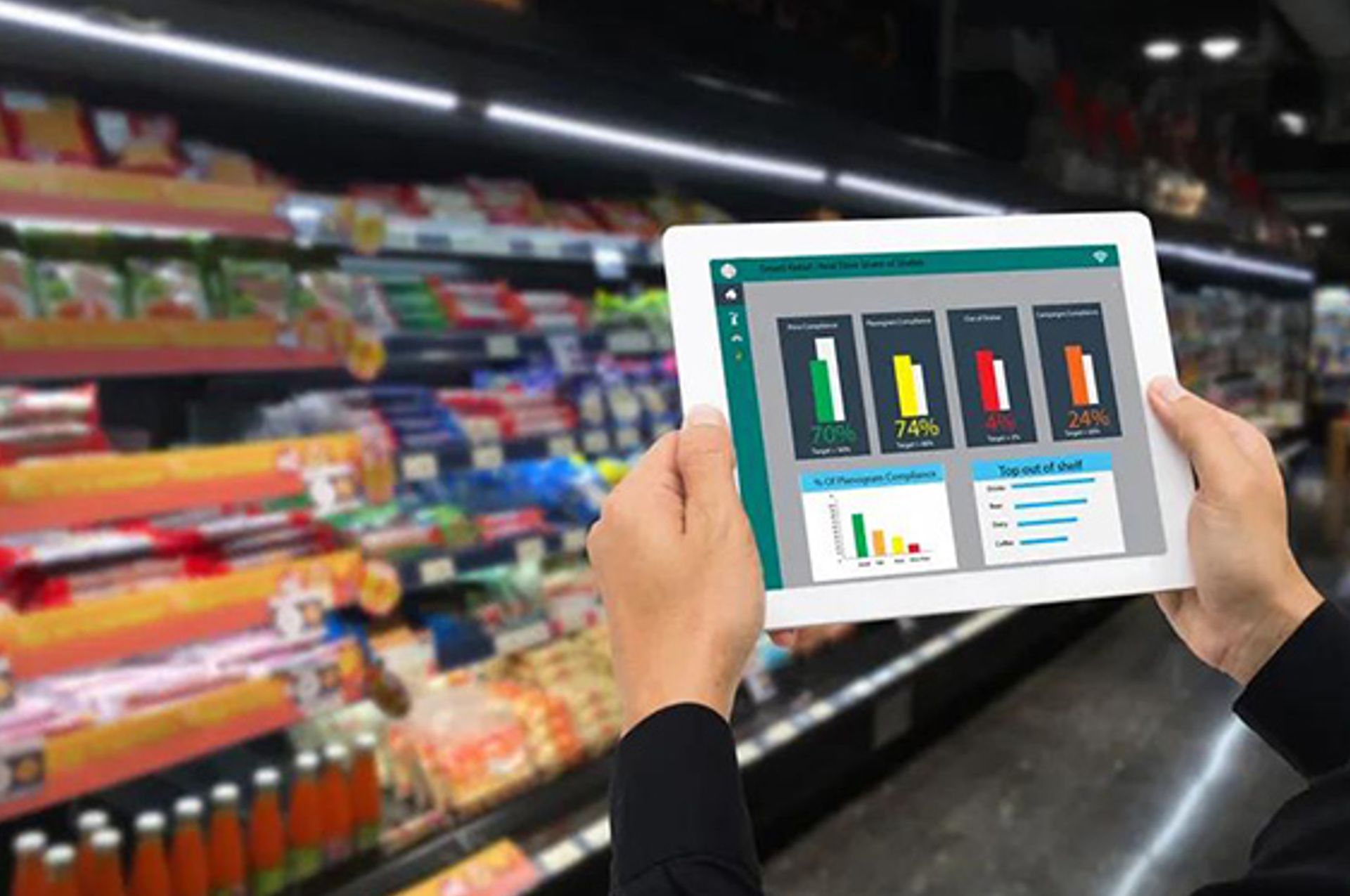
In some sectors, such as food production, the use of active tags equipped with sensors capable of detecting the climatic parameters of the environment in which they are immersed (temperature, pressure, humidity) can allow the monitoring of products to guarantee their integrity and quality during the various phases of distribution (transport, storage, allocation at points of sale), up to the moment of delivery. The quantities detected by the tags are stored in a special internal memory, and can be checked simply by an operator, equipped with a special handheld reader.

Detection of book heritage and book movement in libraries
A tag applied to library books, videos and CDs allows information relating to the object to be remotely detected (type of item, description, inventory number, photographic representations, etc.), simplifying its use by the user. Furthermore, it can allow for automatic, simple and effective management of lending and returning operations to the library.

Legal Document Tracking
The RFID system allows law firms to solve the problem of managing and updating practices over time. In fact, by using read-write memory tags equipped with memory, it is possible to add information related to the evolution of each individual practice in real time and, at the same time, manage the archive in a simple and automatic way.
Clothing sector
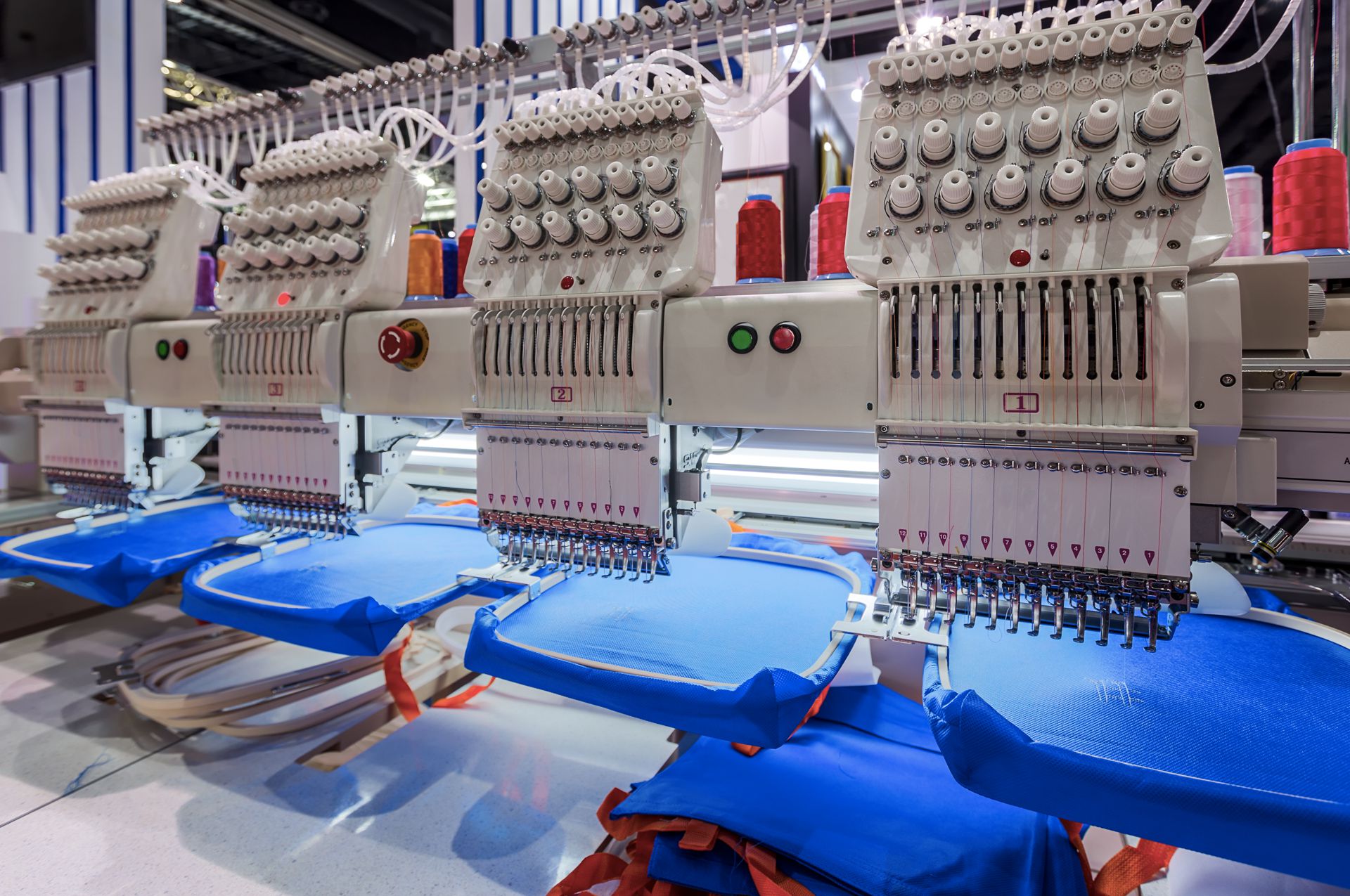
RFID technology enables smart management of all phases of the production process in the clothing sector, from production to storage, from logistics to transport, from distribution to sales management in stores. The adoption of RFID technology guarantees an increase in product quality, a reduction in process management costs, an effective defense against counterfeiting and a significant improvement in company competitiveness.

Galvanic sector
RFID technology finds application in the sectors of industries specializing in galvanic treatments.
In a solution created for one of its customers, VM Vision placed the TAGs on baskets or grids where the products are hung and processed. When the basket is immersed in a tank, a fixed antenna or an RFID handheld device reads the data sent by the TAG, thus identifying the basket, the tank where it is immersed and the immersion time. The TAGs used are resistant to immersion in the liquids used for galvanic treatments.
Hospital sector
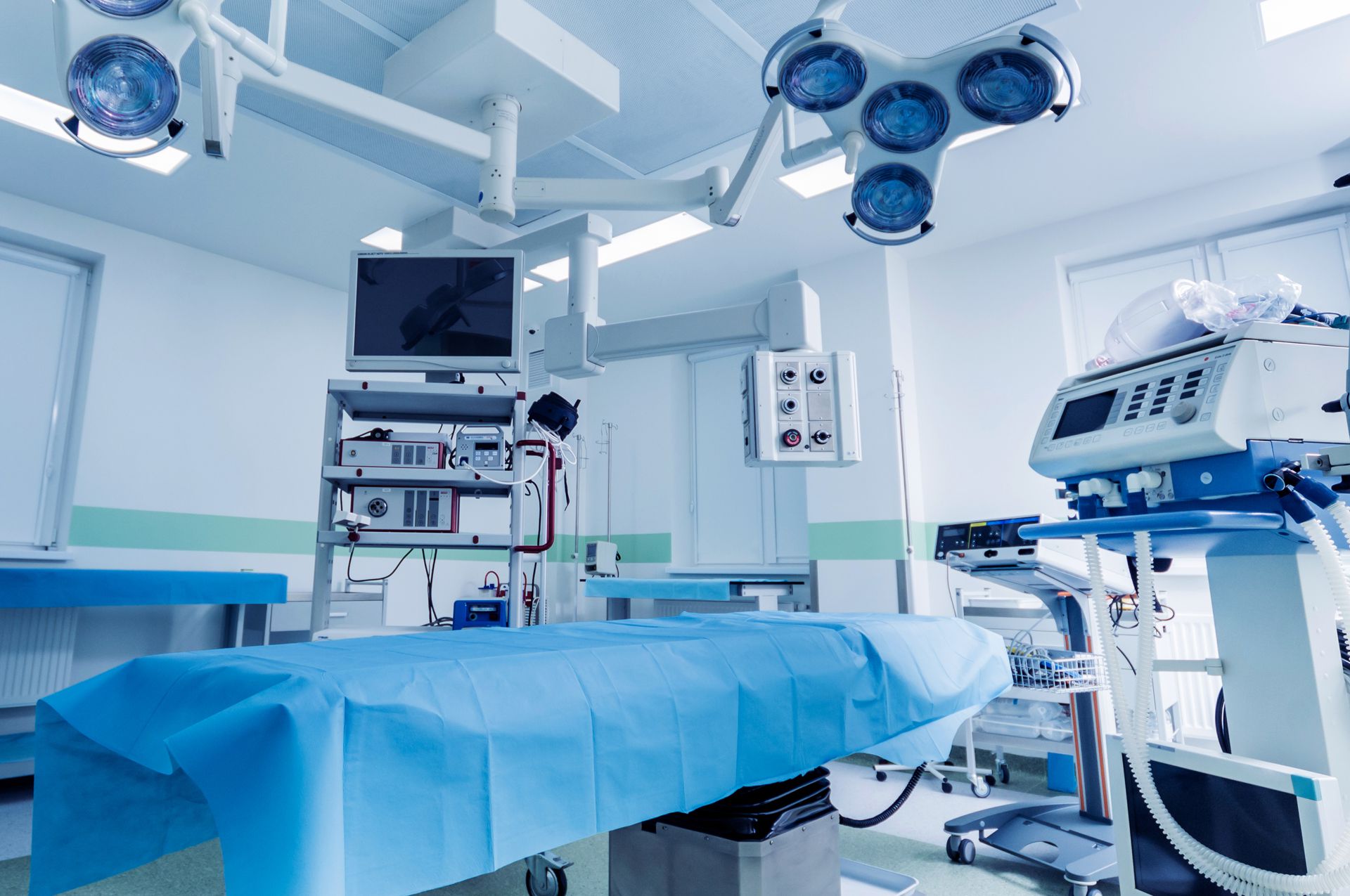
RFID technology finds many applications in the healthcare sector and in particular in hospitals, ensuring optimal management of the relationship between patients and medical staff and many other resources.
By equipping each patient with an RFID TAG bracelet with a unique code, on which more information is stored such as name and age, medical history, test results, ongoing drug therapies, medical staff will be able to consult this information on a reader quickly and promptly, reducing any errors and above all allowing time to be gained in an emergency.